
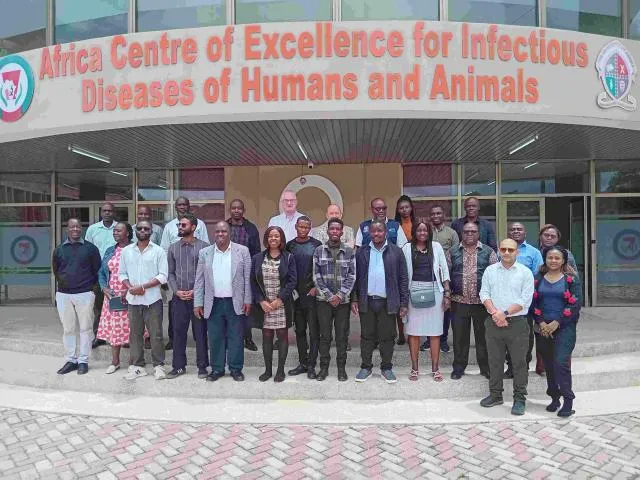
The Acting Dean of the School of Veterinary Medicine at the University of Zambia, Professor Kaampwe Muzandu, officially opened the Food Systems Transformation in Southern Africa for One Health (FoSTA-Health) project seminar this morning, delivering comprehensive remarks that underscored the critical intersections between food systems transformation and public health across Southern Africa.
Addressing an audience of distinguished scholars, partners, and students, Prof. Muzandu welcomed attendees to the landmark event, which showcased the findings of a three-and-a-half-year research initiative examining how changes in food production and consumption patterns affect human, animal, and environmental health.
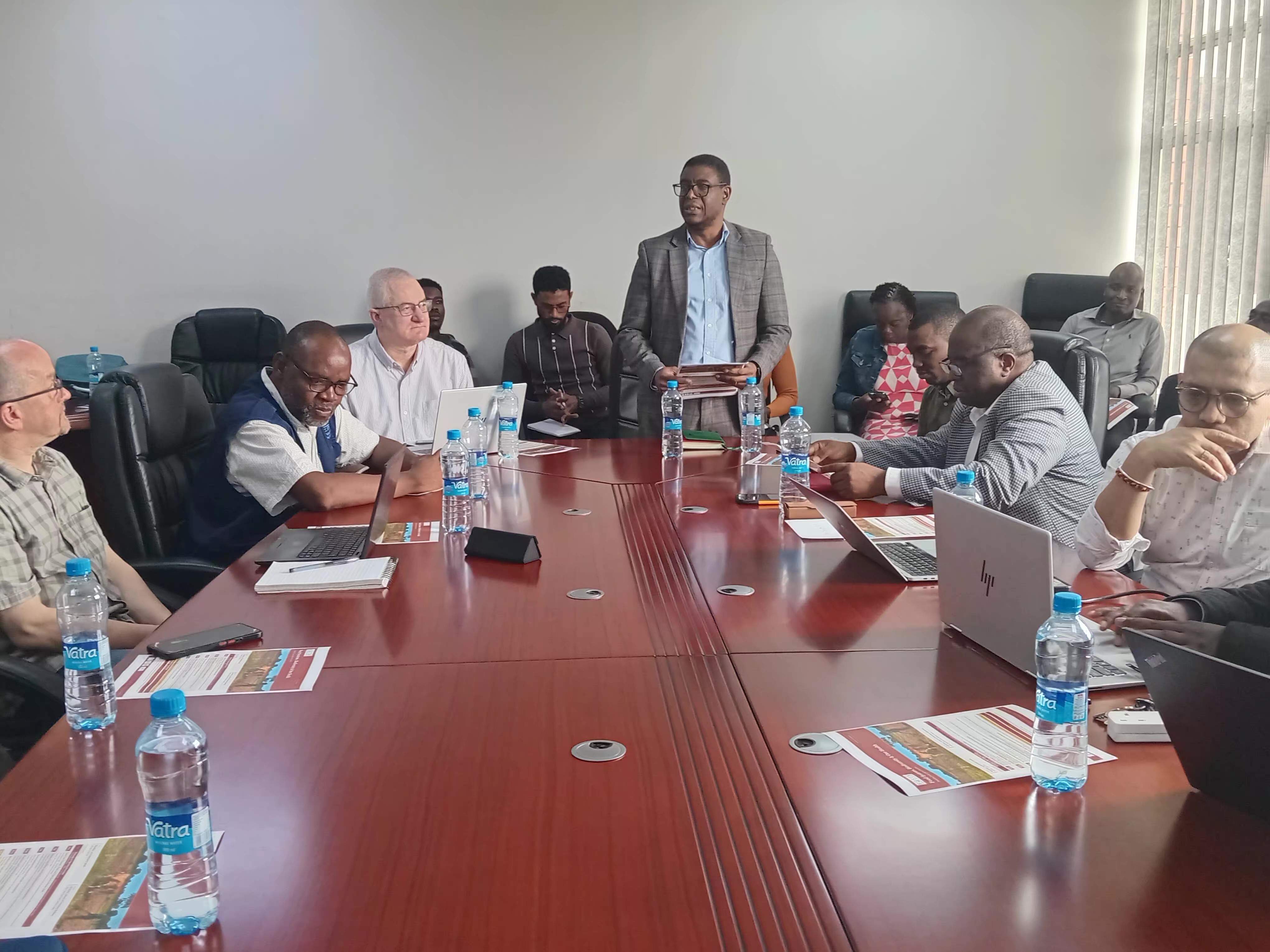
The FoSTA-Health project, funded by Horizon Europe and Innovate UK, has brought together fourteen partner institutions from Zambia and across the globe. Prof. Muzandu highlighted the strong local partnership base, which includes the University of Zambia's Africa Centre of Excellence within the School of Veterinary Medicine, the Southern Africa Business Development Forum, the Agricultural Consultative Forum, Kulima Integrated Development Solutions, and CARE International Zambia.
International partners contributing to the consortium include the University of Leeds (United Kingdom), Wageningen University & Research (Netherlands), the Food, Agriculture and Natural Resources Policy Analysis Network (South Africa), Malawi University of Science and Technology, Sokoine University of Agriculture (Tanzania), University of Pretoria (South Africa), University of Nairobi (Kenya), CzechGlobe (Czech Republic), and CARE International offices in Austria and the United Kingdom.
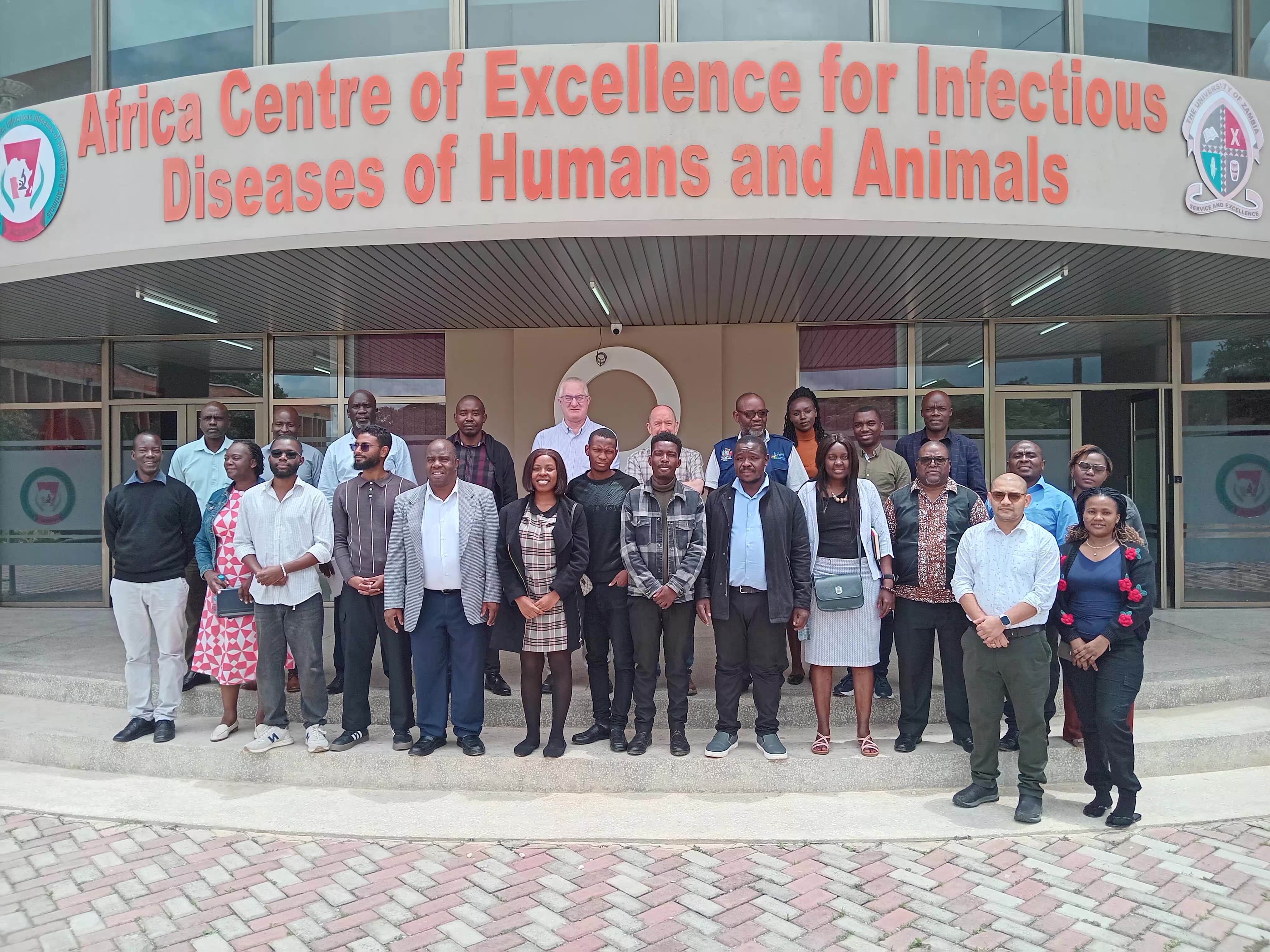
In his remarks, Prof. Muzandu outlined the comprehensive research agenda that has occupied the consortium over the past three and a half years. Investigators have examined changes in maize-based production systems in Malawi and Tanzania, land and water use transformations in Malawi and Zambia, shifts to export markets for high-value crops in Tanzania and South Africa, and diet diversification with particular attention to soybean, poultry, and beef value chains in Zambia and South Africa.
"Here in Zambia, our work has involved extensive field research in Mukalashi and Malata, supported by dedicated teams and students," Prof. Muzandu stated. He noted that thirteen Master's students and one PhD candidate have contributed significantly to the research, with many nearing completion of their dissertations. "This represents a legacy that will benefit our institutions and region," he added.
The Acting Dean expressed gratitude to local partners, including the ministries responsible for Fisheries and Livestock, Agriculture, Green Economy and Environment, Health, and Local Government, as well as the farming communities of Mukalashi and Malata. "Their cooperation and openness have been vital to our research," he emphasized.
Today's seminar programme features presentations on land use change and tick-borne disease risk, dietary transitions and food environment transformations, environmental dynamics of pesticide accumulation, pesticides and insecticide resistance in malaria vectors, and biodiversity trade-offs in agricultural landscapes.
"These presentations highlight the interconnectedness of food systems, health, and environment the essence of the One Health approach," Prof. Muzandu observed. "As we discuss national development pathways and strategies to uplift farming communities, evidence-based dialogue like this seminar is essential."
Prof. Muzandu expressed hope that today's discussions would inspire constructive engagement, strengthen partnerships, and lead to practical solutions for resilient and healthy food systems in the region.